
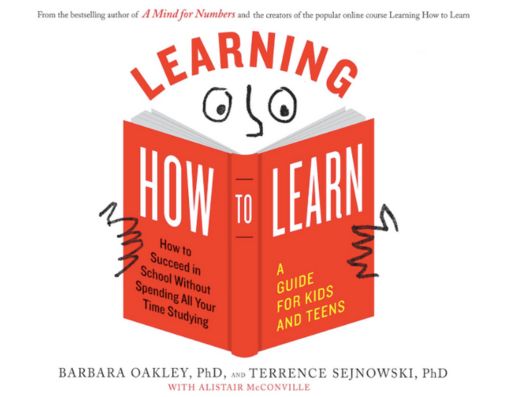
Barbara Oakley, a renowned educator and author, has brought groundbreaking insights into how we can master the art of learning. Her course, Learning How to Learn, has empowered millions to understand the science of effective learning, memorization, and overcoming obstacles like procrastination. By leveraging brain-based techniques, Oakley shows that anyone can improve their ability to absorb and retain knowledge.
The Science Behind Right-Brain Memorization Techniques
The human brain has two primary modes of thinking: focused mode and diffuse mode. The focused mode is analytical and detail-oriented, while the diffuse mode—often linked with the right hemisphere of the brain—is more creative and holistic. Right-brain memorization techniques tap into this diffuse mode to enhance learning.
Visualization and Association:
The right brain thrives on images, patterns, and stories. Associating abstract concepts with vivid mental images or creating stories around them helps embed information deeply into memory. For example, to remember a sequence of numbers, you might imagine them as characters in a narrative.
Chunking:
The brain groups information into “chunks” to make it easier to process and recall. Right-brain techniques use patterns, spatial arrangements, or rhythmic associations to create meaningful chunks.
Relaxation and Creativity:
Engaging the right brain often requires a relaxed state of mind. Activities such as doodling, listening to music, or meditating allow ideas and connections to form more freely, enhancing problem-solving and creative thinking.
Why Repetition is Crucial
Repetition is a cornerstone of effective learning because it reinforces neural pathways in the brain. The more you repeat information, the stronger these pathways become, making it easier to retrieve the information when needed.
Spaced Repetition:
Repetition works best when spaced out over time. This approach, known as spaced repetition, prevents information from fading and strengthens long-term memory.
Active Recall:
Simply rereading material isn’t enough. Actively recalling information—through quizzes or teaching someone else—forces the brain to work harder, solidifying the learning process.
Muscle Memory:
In skill-based learning, repetition builds muscle memory. Whether it’s playing a musical instrument or solving equations, repeated practice allows the brain to automate complex tasks.
Understanding Procrastination
Procrastination is a universal challenge that disrupts learning and productivity. It occurs when the brain seeks immediate comfort by avoiding tasks that seem difficult or unpleasant. Barbara Oakley explains this through the pain-pleasure principle:
- When we think about a challenging task, the brain activates its pain centers, making us want to avoid it.
- Procrastination provides temporary relief, but it reinforces the habit of avoidance, creating a cycle of stress and guilt.
How to Overcome Procrastination
The Pomodoro Technique:
Break tasks into 25-minute focused intervals, followed by a 5-minute break. This method trains the brain to stay engaged without feeling overwhelmed.
Reframe Tasks:
Shift your mindset about a task. Instead of viewing it as a burden, see it as an opportunity to learn something new or make progress.
Start Small:
Commit to working on a task for just two minutes. Often, starting is the hardest part, and once you begin, momentum carries you forward.
Reward Yourself:
Pair work with a reward system. For example, after completing a study session, treat yourself to something enjoyable, like a favorite snack or a short walk.
Plan Ahead:
Use to-do lists or time-blocking to allocate specific times for tasks. This reduces decision fatigue and creates a clear roadmap for the day.
How to Support Your Child with Dysgraphia
Supporting a child with dysgraphia requires understanding their unique challenges and providing tools to help them succeed. Practice, active recall, and strategies to manage procrastination are essential, especially when tackling subjects like math.
Provide the Right Tools:
Equip your child with resources that make learning less frustrating. For younger children, math practice games can make mastering basic math facts fun and engaging. As they grow older, more specialized tools may be helpful.
In middle school, we discovered ModMath, a fantastic app designed for kids with dysgraphia. It features virtual graph paper that helps align equations neatly. This tool allows children to focus on solving math problems rather than struggling with handwriting—a task that can often feel like an uphill battle for kids with dysgraphia.
Practice with Purpose:
Encourage daily short practice sessions to reinforce skills. Use spaced repetition to help them retain concepts over time. Interactive tools, like flashcards or math apps, can make practice feel more like a game than a chore. An online app that I am testing currently to create flashcards is iDOrecall. It’s hard for a child with Dysgraphia to hand write flashcards. This may be a great tool for them.
Incorporate Active Recall:
Teach your child to actively recall information by quizzing themselves or teaching the concept to someone else. For instance, they can explain their process for solving a math problem, helping them solidify their understanding and confidence.
Address Procrastination:
Procrastination can be a significant hurdle, especially for children who feel overwhelmed by tasks. Help them break tasks into manageable steps. For example, instead of tackling an entire math worksheet, start with just one problem. Use systems like the Pomodoro Technique (short work sessions followed by breaks) to make tasks feel achievable.
By providing the right tools, fostering consistent practice, and addressing procrastination with patience and empathy, you can empower your child to navigate learning challenges and build confidence in their abilities.
Learning How to Learn: A Lifelong Skill
Barbara Oakley’s work emphasizes that learning is not an innate talent but a skill anyone can develop. By understanding the science behind right-brain techniques, the importance of repetition, and the psychology of procrastination, we can transform the way we approach learning.
Whether it’s mastering a new language, excelling in a technical subject, or simply adopting better study habits, these strategies empower us to unlock our full potential. With the right tools and mindset, learning how to learn can become a lifelong journey of growth and achievement. You may want to check out her book Learning How to Learn here.
“We’re in this together—have a tip or story to share? Drop it in the comments!”